What a goldsmith can do
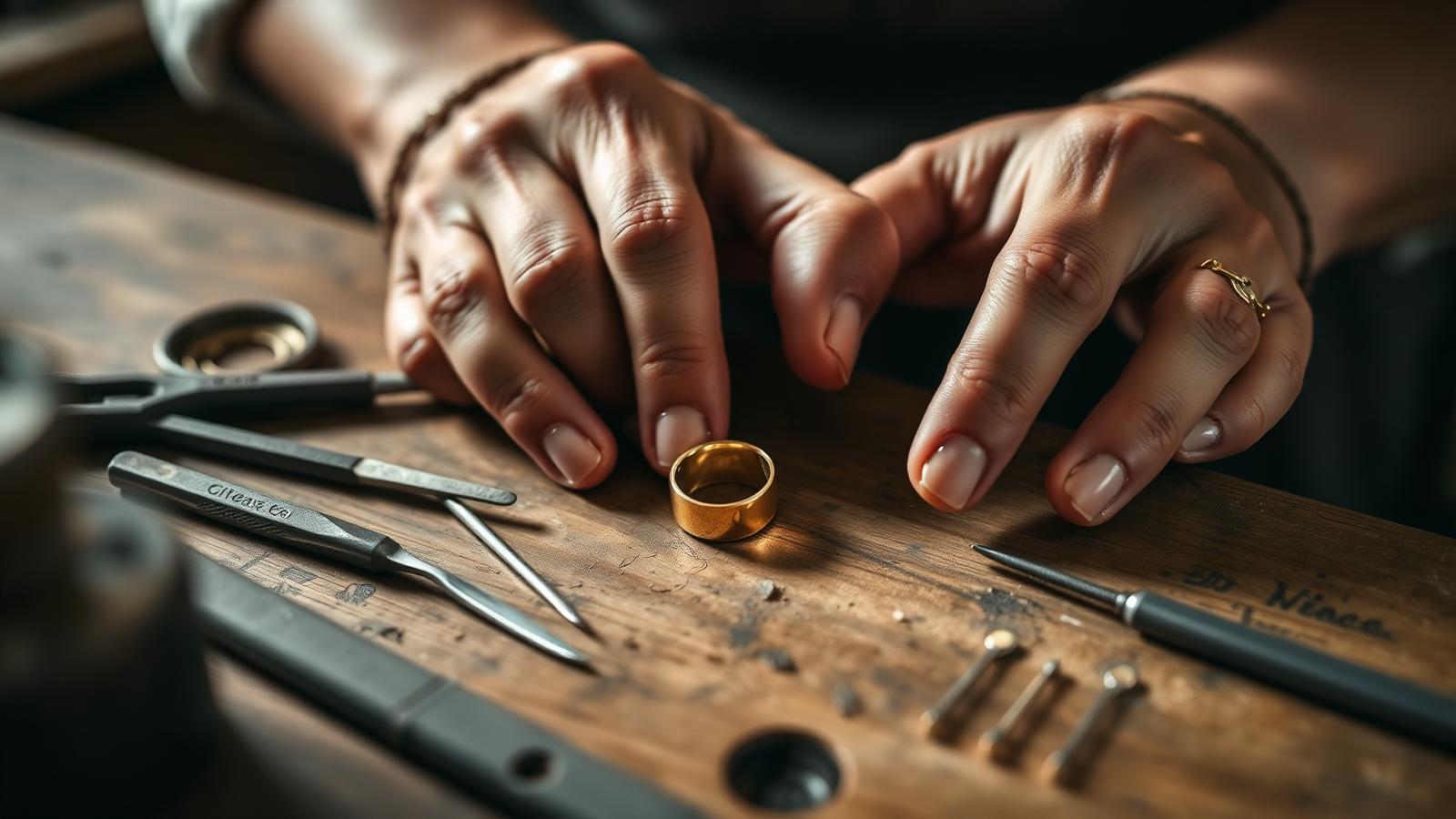
A specialised goldsmith can carry out three types of interventions. Melting down: the old gold is melted into raw material and then cast or hammered into a new design. Re-setting: stones are removed from their original settings and placed in a new setting — the stones themselves remain the original ones. Combining: one new ring is made from multiple old rings, combining gold and/or stones.
Each of these interventions has variations. With melting down, you can opt for a completely new design or a subtle reference to the original piece (for example, the same profile in a more modern size). With re-setting, you can choose a classic or modern mount. With combining, you decide how much of the original remains visible.
What a goldsmith cannot do: restore authenticity. A melted down Victorian ring is no longer a Victorian ring — more on that later.
A specialised goldsmith can carry out three types of interventions.
The emotional side
Heirlooms carry people with them. Remodelling can be a way to have a loved one travel with you in daily life, instead of waiting in a drawer. For some, that is exactly what a jewel should do; for others, it feels like a loss of the tangible bond with the original.
Practical advice: do not rush. A jewel that has been in a drawer for a year is not urgent; a jewel that you melt down without a way back can lead to regret. Talk to other family members before taking an irreversible step — some pieces carry collective meaning that only becomes clear in conversation. For broader context, see jewellery from an estate.
What it means for historical value
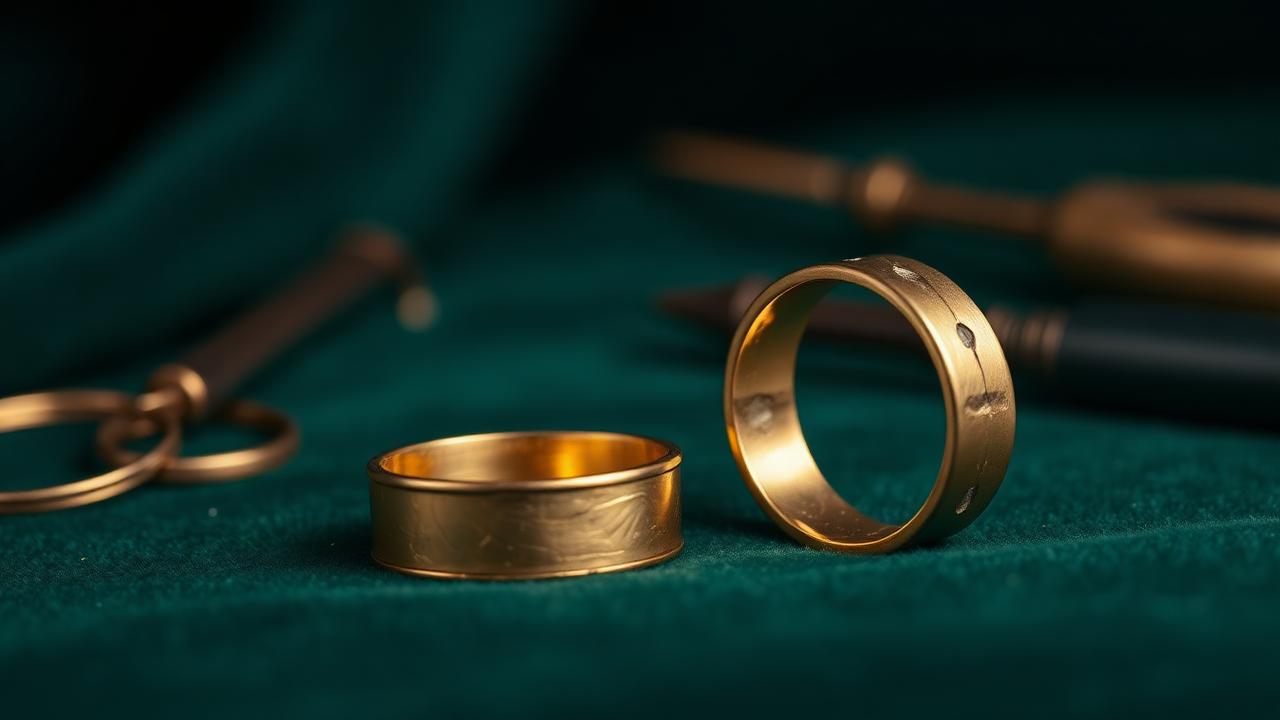
For the vintage and collector's market, remodelling almost always diminishes their value. An intact antique piece has historical value derived from the combination of form, material, hallmarks, and provenance. As soon as you break that combination — by melting the gold, replacing the original setting, or combining parts — the historical identity disappears. A melted down Victorian ring is no longer a Victorian ring, even if the metal is still there; it is then modern work made from recycled material.
That does not mean that remodelling is wrong. It means that the decision must be made consciously. For pieces without historical rarity (common twentieth-century gold, broken pieces with no prospect of repair, pieces that no one wears anymore), the depreciation hardly outweighs the gained pleasure of wearing. For pieces with rarity or documentable provenance, preserving is often wiser — and sometimes selling to a collector through a specialist is a better alternative than melting down.
When in doubt: first request a value estimate. Knowing what you have makes the choice to remodel or preserve considerably less blind.
Re-setting stones as an intermediate solution
If the metal is unsuitable (too wide, outdated style, broken) but the stone is beautiful, re-setting is a simple solution. The original diamond or gemstone gets a new mount — sometimes in the recycled gold of the old ring, sometimes in new gold. The historical goldwork is lost, but the stone (where the intrinsic value often lies) remains the same and the emotional bond via 'Grandma's stone' is directly preserved.
For old diamonds in vintage cuts (rose, old mine, old European; see the cut guide), a classically chosen new mount is usually better than a modern rendition that contrasts the character of the stone. Discuss with the goldsmith which setting suits the stone — not every modern mount does justice to an old cut.
Where to go
Remodelling is specialist work. A repairing jeweller is not automatically a designing goldsmith; always ask for a portfolio and experience with similar work. In the Netherlands, the best-known concentrations are in Schoonhoven (the silver city, with many workshops that also remodel gold; see addresses Schoonhoven), Amsterdam, and the major provincial capitals. Search in the address guide for workshops with the category 'atelier by appointment' and the tag bespoke work — these are the designing goldsmiths.
Always ask for a sketch or 3D render before commissioning work. Discuss the intended final result, the handling of the old stones, and whether the original gold will be recycled in the new piece or if the smith will supply new material. And ask for a written price quotation: remodelling costs range from several hundred to several thousand euros depending on complexity and material choice.