What 'Occasion' Precisely Means
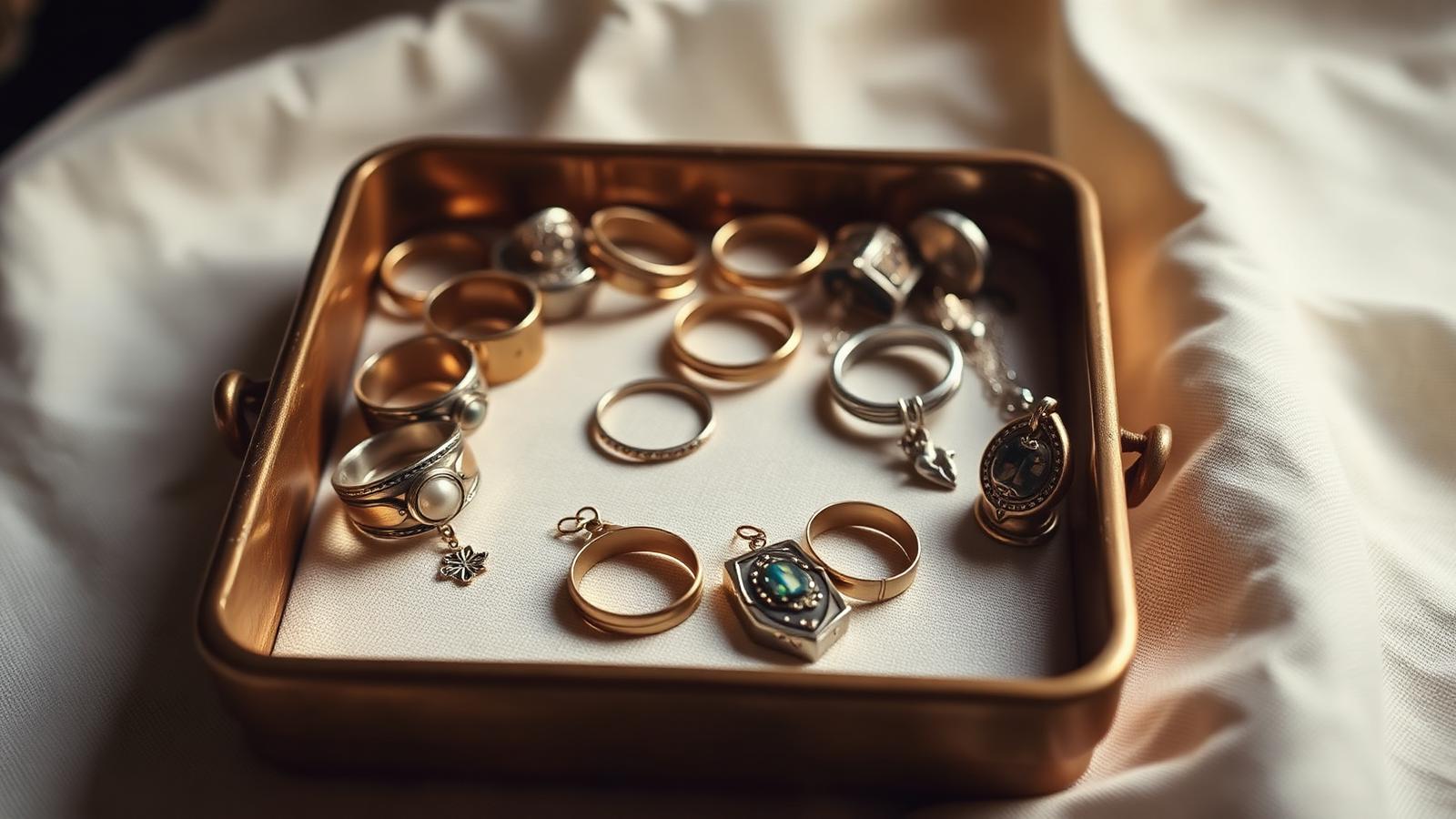
An 'occasion' piece is any jewel that has been sold before and is now re-entering the market. This could be a modern ring, five years old, that has been traded in again, or an Edwardian brooch from 1905 that has changed hands twice before. Jewellers typically use the term in the first sense; collectors and auction houses in the second. Technically, both belong to the same category.
Occasion is therefore a collective term that encompasses the concepts of vintage (roughly 30 to 100 years old) and antique (older than 100 years), plus anything younger that has been sold before. When a jeweller has 'occasions' in their window display, there could just as easily be a set of modern earrings as a signed art deco ring.
An 'occasion' piece is any jewel that has been sold before and is now re-entering the market.
Why Buying Occasion is a Smart Choice
Price is the first reason. For a new gold ring, you pay a manufacturing margin, distribution margin, retail margin, and sometimes a fashion margin – together between 100 and 250 percent on top of the intrinsic value. With an 'occasion' piece, much of that is eliminated. You pay the real market value plus a fair remuneration for the jeweller who has checked, cleaned, and stocked it. For pieces of comparable quality, you typically save 30 to 50 percent.
Sustainability is the second. Every ring that is worn again is a ring that does not need to be newly mined and melted. Gold mining is one of the most polluting industries in the world. For those who weigh ethical choices heavily, 'occasion' is the most logical alternative — and it stands up well against 'ethically sourced' new pieces, which still have a chain of extraction behind them.
Character is the third. Modern work is almost always machine-made, with facet geometry determined by a computer program. Occasion pieces — especially vintage and antique work — carry manual irregularities, old cuts that sparkle differently, and styles you won't find in any modern collection. For what distinguishes these periods, consult the style guides.
What to Look for When Buying
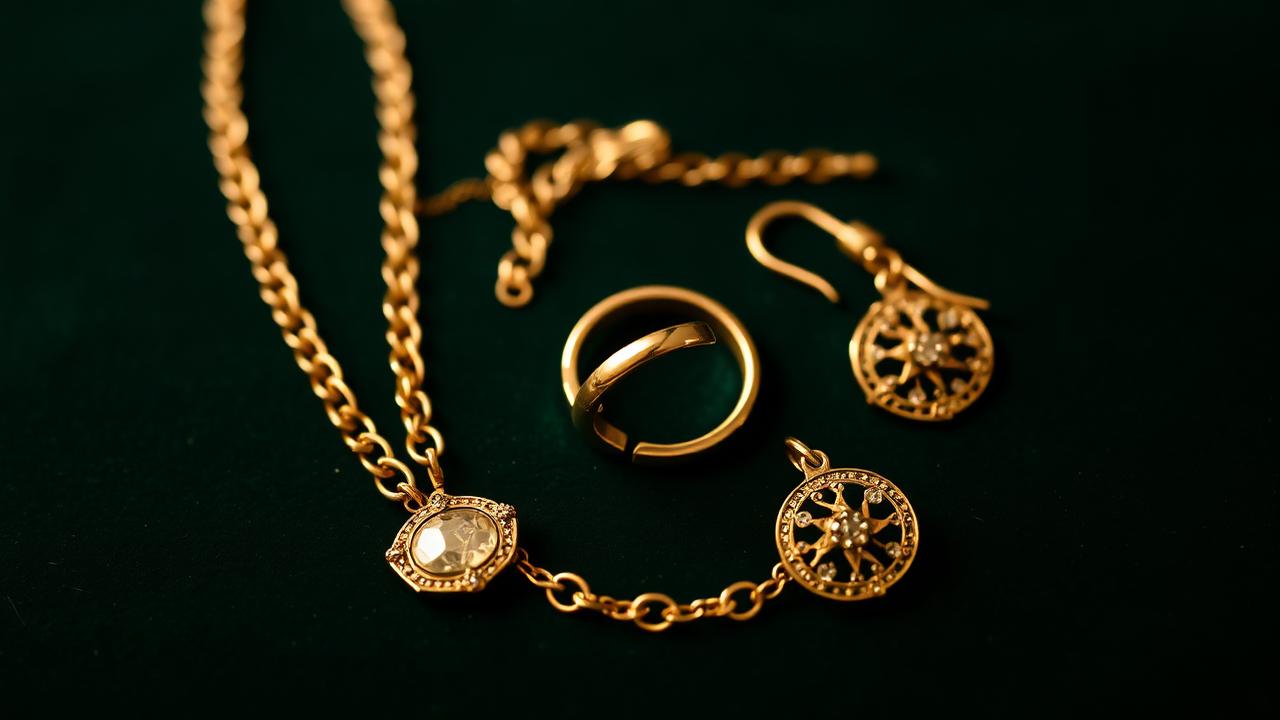
Condition is the first thing. Actively inquire about repairs: is the clasp original, has the band been resized, have any stones been replaced? A good jeweller will disclose this proactively and reflect it in the price. For rings, examine the inside of the shank — a thin, worn band can break and is not always cheap to repair. For brooches: is the pin original, does the safety clasp close smoothly?
Documentation is the second. For an 'occasion' piece above a few hundred euros, an appraisal report or at least a detailed description with photos is appropriate — including fineness, weight, stone specifications, and an estimate of the period. Without paperwork, you are buying an unknown. If in doubt: ask for a second opinion or independent appraisal before committing.
Warranty and return policy are the third. When buying online in the Netherlands, there is a fourteen-day statutory right of withdrawal — jewellery is often an exception here, but not always. Ask explicitly. When buying in a physical store, there is no statutory right of return; make written agreements about 'exchange on approval' if you are unsure.
Occasion versus 'New with Discount Sticker'
Be cautious with stores that combine a vintage look with very low prices. Later reproductions in an 'antique' style are sometimes offered as 'occasion' pieces even though they come from a factory. The section recognising reproductions outlines the four signs to look for. Genuine 'occasion' pieces have signs of wear, patina, and are consistent with their era.
Where to Find Good Occasion Pieces
Vintage-specialist jewellers are the safest route. They are knowledgeable about periods, can substantiate their pieces, and usually offer a guarantee of authenticity and fineness. Auction houses are interesting for flagship pieces but require expertise. Online marketplaces are a risk zone where 'in-style' pieces are often sold as original. In our address guide, you'll find specialist addresses per city; for those who prefer to choose from home, there is a separate list of Dutch vintage webshops.