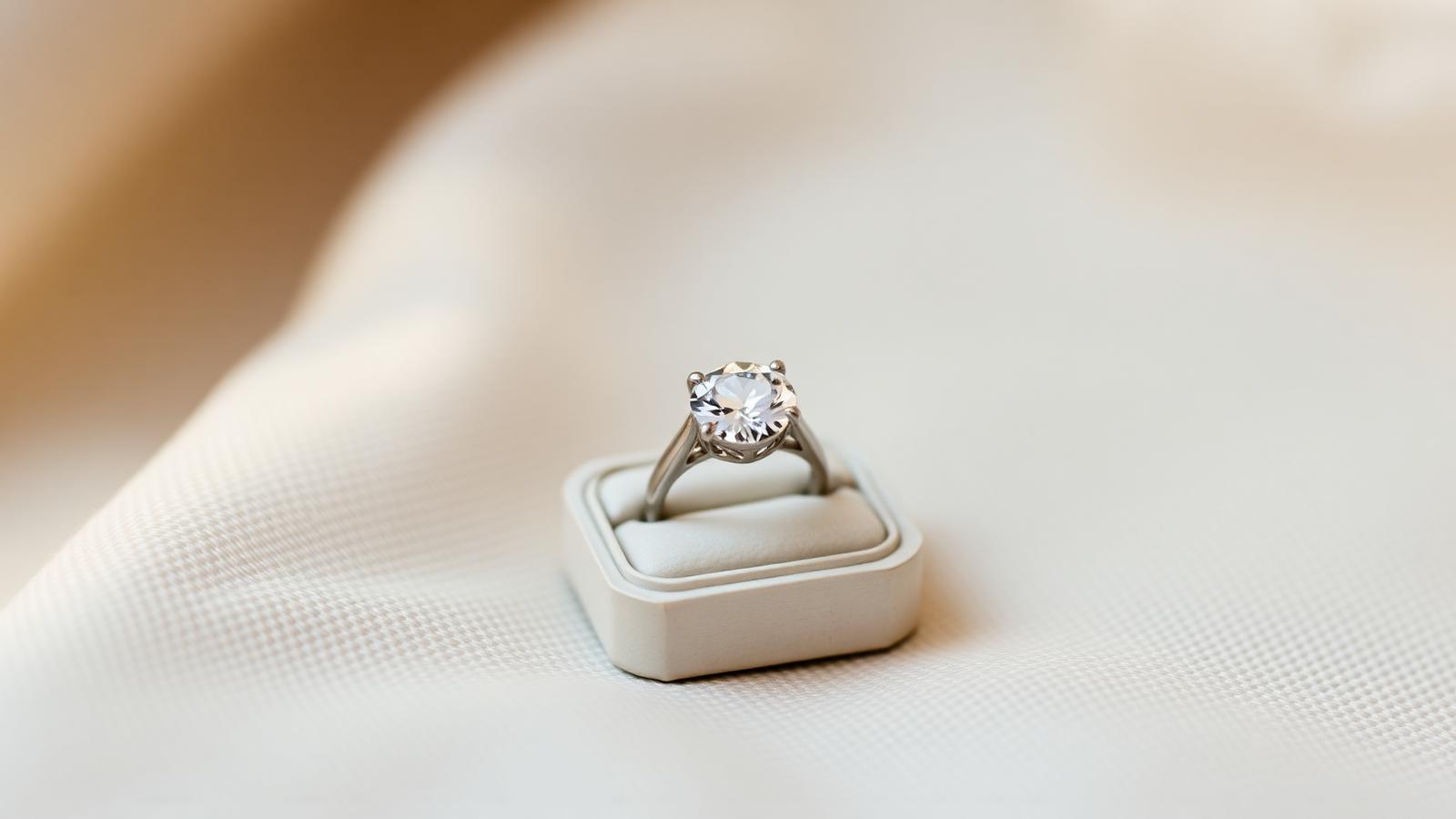
Why vintage for the engagement
The ring you wear on your most important day should have a story, not just material. An Edwardian platinum ring with an old European diamond has lived through a hundred years before you encountered it; it was made by a goldsmith who set it piece by piece by hand, with facets that sparkle differently from anything produced since. This fact — and not just the price — is why vintage engagement rings have become incredibly popular.
Practically, for the same amount as a new solitaire, you get a vintage piece with often a significantly larger stone, more detail in the setting, and the certainty that no one in your social circle will wear the same ring. And in case of separation or a new life phase, it retains its value better than most modern designs.
The ring you wear on your most important day should have a story, not just material.
Which periods lend themselves
Edwardian (1901-1915) and art deco (1920-1935) are the two classic choices for engagement rings. Edwardian work is fine, airy, and feminine — millegrain edges, filigree openwork, platinum settings that make the stone appear to float. Art deco is bolder, geometric, and assertive — baguette shoulders, calibré set coloured gemstones, clean lines. Both periods used platinum instead of white gold, which keeps the metal white and recognisable after a hundred years (white gold slowly discolours back to yellow as the rhodium plating wears off).
Victorian work (up to 1901) also lends itself, with warm yellow gold bands and old cuts — more romantic and less minimalist. Retro (1935-1950) is bolder, with large yellow or rose gold forms and sometimes synthetic gemstones from the war years. Mid-century (1950-1970) already aligns with modern taste but still features handmade details no longer found today. For the characteristics of each period, consult the style guides.
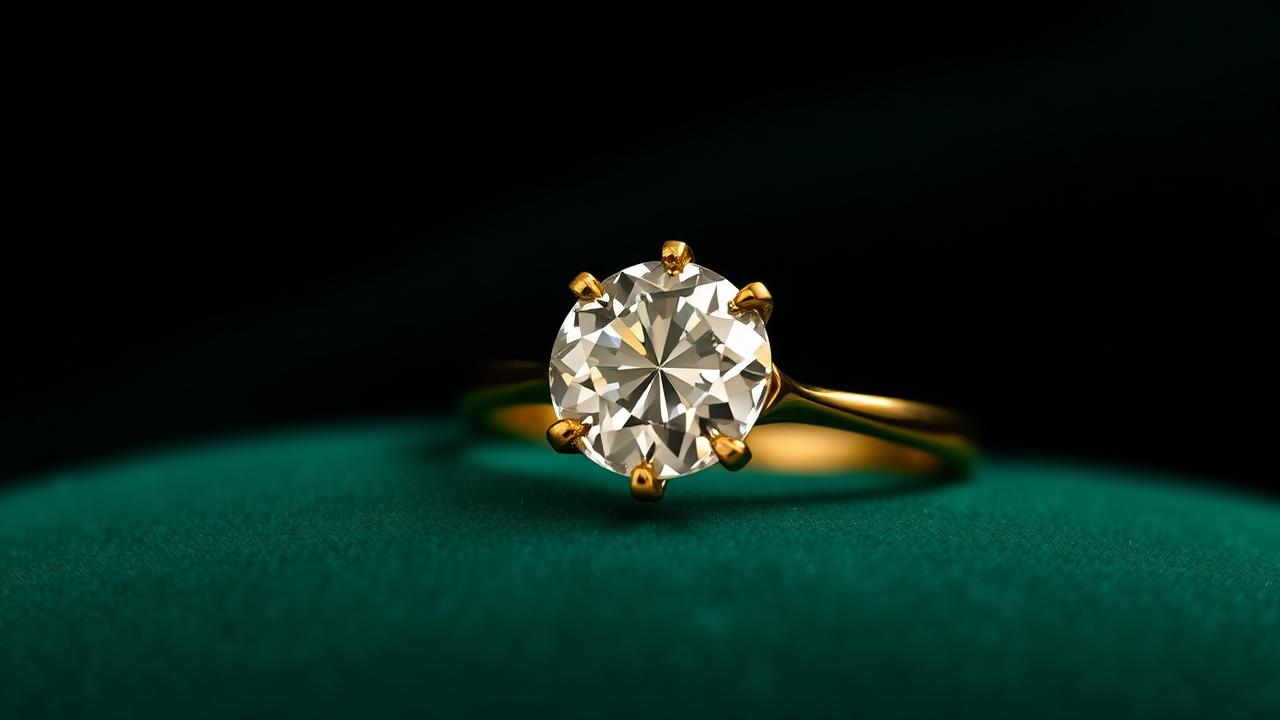
The size adjustment limitation
This is the biggest practical pitfall with vintage engagement rings. A plain band can be easily adjusted by half or a full size. But many characterful vintage rings have an ornate band — millegrain on the side, engraving all around, set diamonds in the shoulders. Such rings can be adjusted by a maximum of half a size without damaging the decoration. A full size is technically possible, but it breaks the continuity of the engraving or distorts the setting.
So, never buy blindly based on a presumed good size. Measure beforehand, on the same finger, at different times of the day (fingers are narrower in the morning than in the evening). When in doubt, choose something on the generous side — too loose can be sized down, too tight often cannot without deforming the ring. With specialist jewellers, size advice should be part of the conversation; those who don't offer it are not taking it seriously.
Old cuts versus modern brilliant
The most important aesthetic choice. A modern brilliant (from approximately 1935) sparkles brightly, with short, clear flashes of light — precisely what sales marketing calls 'life'. Old cuts — old mine (cushion shape, large culet, up to 1900) and old European (round, high crown, 1890-1935) — give a slower, warmer glow. The light returns broader, with longer flashes that make the stone dance by candlelight. That is a fundamentally different beauty and explains why old Europeans now fetch more at auctions than equivalent modern brilliants.
More about the different cuts can be found in the section cuts through the centuries. For an engagement ring, this is not a technical matter but a personal preference: hold the stone under normal household light and let the sparkle convince you yourself.
Realistic budget estimation
Vintage engagement rings cover a huge price range. A simple art deco ring with a small diamond can start from a few hundred euros, while an Edwardian platinum solitaire with an old European of more than one carat can easily exceed ten thousand. What you get for your money depends on stone size and quality, whether the ring is signed (Cartier, Boucheron, Van Cleef, old Dutch names), and its condition.
Be critical of prices that seem too good to be true. an 'authentic art deco platinum ring with a one-carat diamond for 900 euros' is almost always a modern reproduction. True period pieces have a chain of provenance that substantiates their price. For warning signs, see the section recognising reproductions.