
Standard home contents cover and its limitations
In almost every home contents insurance policy, jewellery falls under general home contents cover, usually with a sub-limit. Typically, this is 3,000 to 6,000 euros per incident for all jewellery combined. If even one piece exceeds this, the rest of the collection is not covered. For more expensive policies, sub-limits may be higher, but rarely sufficient for someone who actively collects vintage pieces.
What is often forgotten: coverage outside the home (in a family member's safe, with the jeweller for repair, or on holiday) is not always included in home contents. Some policies cover up to 10 percent of the home contents amount when outside; others do not. Read this specifically before taking your valuables with you.
In almost every home contents insurance policy, jewellery falls under general home contents cover, usually with a sub-limit.
The valuables clause
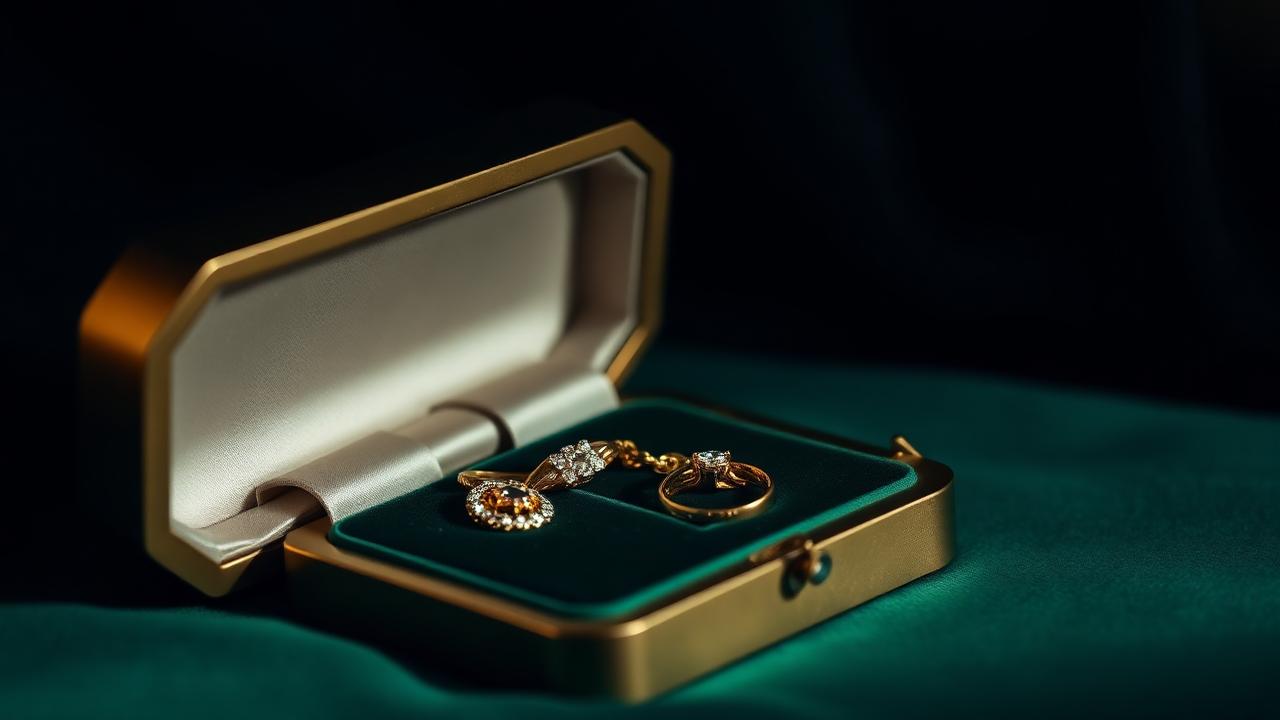
Above the standard sub-limit, insurers work with a separate valuables clause (sometimes called a 'valuables policy' or 'valuables package'). In this, individual jewels are listed by name and appraised value. Such a clause usually also covers theft and loss outside the home, damage while worn (lost stone, broken band), and sometimes even disappearance without an identifiable cause.
The premium for a valuables clause generally ranges from 5 to 15 per mille of the insured value per year — for a collection worth 20,000 euros, this is roughly 100 to 300 euros per year in addition to your standard home contents policy. Exact amounts vary by insurer and risk profile; always request multiple quotes.
Why insurers require an appraisal report
For inclusion in a valuables clause, insurers almost always require an appraisal report from a sworn appraiser. Without a report, in case of damage or theft, the value will be translated back to the daily value they estimate themselves — almost always lower than what you originally paid for it, and certainly lower than replacement cost. With a valid report, the insurer will pay out the determined replacement value, without dispute. How to request such a report, what it costs, and what it should contain is detailed in the comprehensive appraisal guide having jewellery appraised.
Reports have a limited validity — usually three to five years. If gold or stone prices have risen significantly (as in the years 2020-2024), an earlier reappraisal is advisable to prevent underinsurance. For the question of whether an appraisal is even the right route for your situation, or if an estimate suffices, see appraisal or estimate.
How often to reappraise
As a rule of thumb: every three to five years, or sooner if gold prices or dollar prices fluctuate sharply. For a collection with high intrinsic value (gold weight, diamond), this is more important than for a collection with high collector's value (signed art deco, clasps, provenance) — the former moves with market prices, the latter with demand among collectors.
Practically: link reappraisal to a moment when you are already speaking with the jeweller (cleaning, repair, purchase) to save extra visits. Some appraisers offer a reduced reappraisal rate if you return within five years with the same piece.
What to arrange yourself, separate from the insurer
Documentation is the first protection, even before insurance. Photograph each piece extensively, note hallmarks, provenance, and purchase history, and store purchase invoices and appraisal reports together in a safe place (or digitally in the cloud). Without documentation, reporting theft is difficult, and insurance payouts are almost always lower.
Physical protection — a safe with an intruder-resistant certificate, or a bank safe deposit box for pieces you rarely wear — not only reduces your risk but is also considered by some insurers in the premium calculation. Practically: keep the pieces you wear daily separate from the collection you store, and register both categories separately in the overview you provide to the insurer.