VintageSieraden.nlKnowledge · provenance · value
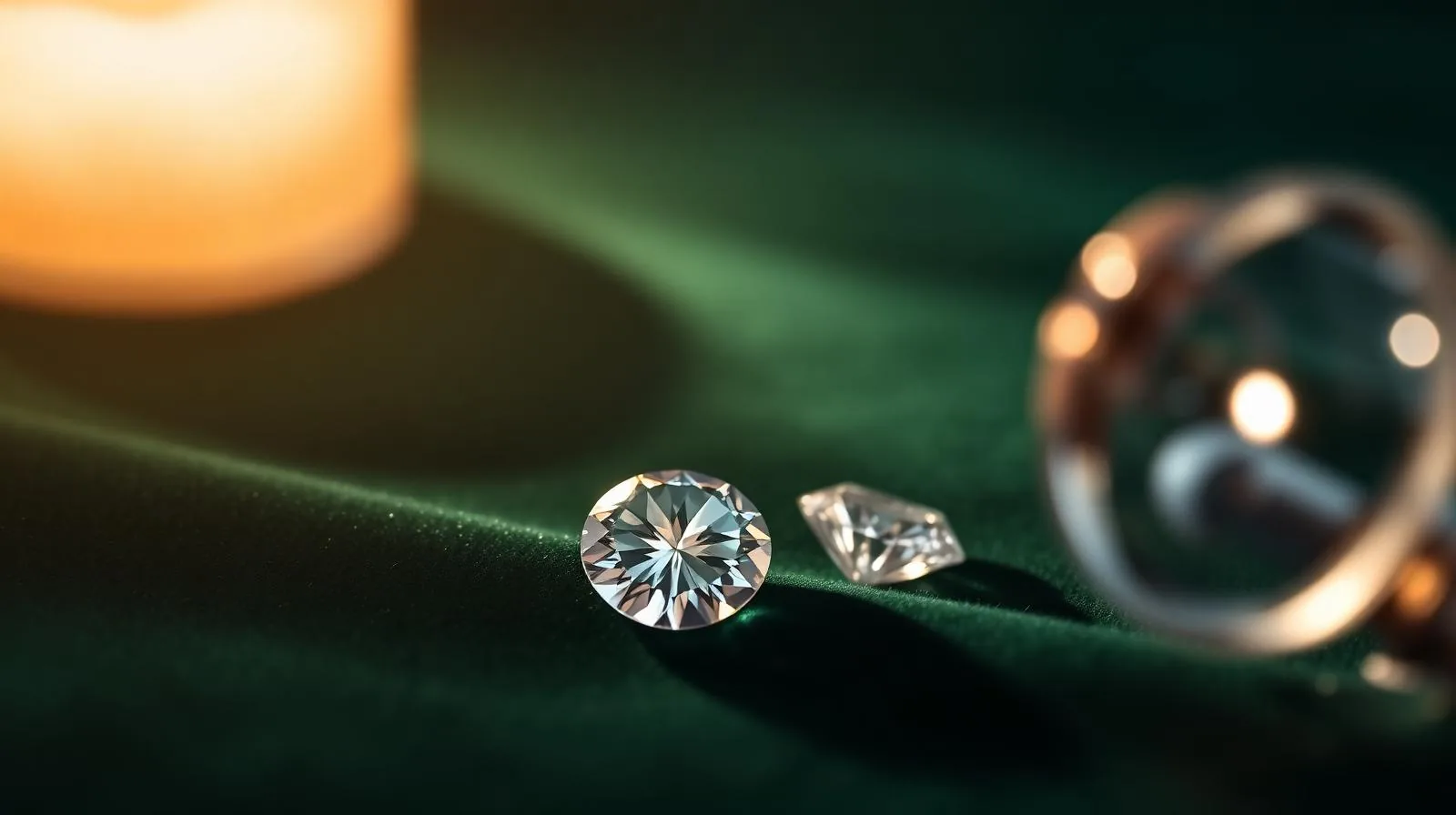
Losse oude briljanten op donker fluweel bij warm kaarslicht; sfeerbeeld, geen determinatievoorbeeld.
Price Guide · Diamond

What is an old diamond worth? Rose, old mine and old European cut

Old diamonds sparkle differently. They are hand-cut, have fewer facets than modern brilliant cuts, and display a warmer, more broadly dispersed fire. Among collectors, their value has risen sharply over the last decade — precisely because they are no longer made. In this guide, we examine the three main cuts, explain why recutting almost always leads to a loss of value, and what certification does or does not add.

Deze prijsgids past binnen de bredere hub over waardebepaling op dit platform.

Door de redactie · Vakinhoudelijk getoetst · Bijgewerkt juli 2026

De waardefactoren

Een taxateur weegt bij deze categorie een vast aantal criteria. Hieronder leggen we ze uit, in de volgorde waarin ze doorgaans worden bekeken.

Rose (rose cut)

Flat bottom, domed top with triangular facets. Originated in the 16th century, widely used until the early 20th century. Sparkles softer than faceted stones. Rose cuts are priced per stone; small rose cuts (under 0.10 ct) primarily have collector's value in the context of an original setting.

Old mine cut

Cushion-shaped, high crown, small table, large culet (the point at the bottom is flattened). Circa 1750–1900. Often slightly asymmetrical — this is not a flaw in these cuts but proof of handcraft. A good old mine cut above 1 ct with warm colour and original setting is a classic collector's stone.

Old European cut

Round, higher crown than modern brilliant cuts, smaller table, visible culet. Circa 1890–1930. This is the cut often found in art deco rings. In good quality, it commands three to five percent more than comparable modern brilliant cuts, as collector demand grows while supply shrinks.

Why no longer made

Modern traffic standards — the classic round brilliant with 57 or 58 facets — led to a wave of recutting at the end of the 20th century: old diamonds were 'modernised' for extra fire, with a loss of weight and character. Hand-cutting on this scale is labour-intensive and no longer commercially viable; new stones are machine-cut to the modern standard.

Recutting = loss of value

Recutting costs 10 to 25 percent in weight and 20 to 40 percent of the collector's value. For enthusiasts, a recut old European cut turns into 'just a smaller modern brilliant', losing its warm light return and handcrafted character. Do: don't do it, unless a specialist with auction experience requests it.

Indicatieve bandbreedtes

Prijsranges als richtlijn

  • Rose-cut diamond, per stone 0.05–0.20 ct

    Common in Victorian and art nouveau work.

    € 40 – € 300
  • Old mine cut, 0.50–1.00 ct

    Colour, clarity, and symmetry determine the range.

    € 500 – € 3.500
  • Old European cut, 1.00 ct, colour H-I, VS

    Often three to five percent above comparable modern brilliant cuts.

    € 2.500 – € 7.500
  • Old European cut, 2.00 ct+, good quality

    Rare and directly tradable on the collector's market.

    € 8.000 – € 35.000+

Indicatief; werkelijke waarde vereist beoordeling van het stuk zelf. Marktprijzen fluctueren en zeldzame varianten liggen boven de bovengrens.

Wat een sieraad boven zijn metaalwaarde tilt — signatuur, periode, stenen, compleetheid en zeldzaamheid — lees je in wanneer een sieraad meer waard is dan zijn goudgewicht.

Certification of old cuts

GIA and HRD certify old cuts separately, with their own 'antique cut' notation. For stones above 0.50 ct, this is advisable before sale. The 4Cs (carat, colour, clarity, cut) are applied, but cut is not compared to modern standards. Symmetry and the presence of the original culet are positive — not a 'flaw' as with modern stones.

Value depressors for old diamonds

Chips (small damage to the girdle), later recutting, 'modernised' facets, and loose original settings are the main depressors. When in doubt, always have it appraised before having the stone removed from its original setting — an old stone without its original context loses part of its story and value.

Veelgestelde vragen

Antwoorden op vier vragen

Is an old diamond weaker than a modern one?+

No. Diamond is diamond. However, the light return is different: less sharp fire, more creamy glow. For enthusiasts, that is precisely the appeal.

Can you have an old diamond certified?+

Yes. GIA and HRD certify old cuts separately, with their own 'antique cut' notation. For stones above 0.50 ct, this is advisable before sale.

Should I have it recut for more sparkle?+

Almost never. You lose weight, character, and 20–40 percent of the collector's value. Cleaning and checking the setting is sufficient.

How do I distinguish an old cut from a modern one?+

Look through the table: with old cuts, you often see a small round point (the culet) in the centre. With modern brilliant cuts, it's a sharp point without a facet.

Curious what you have in your hands?

Prijsranges zijn een startpunt; wat je precies in handen hebt bepaalt de bandbreedte. Stuur foto's en een korte beschrijving, dan bekijkt een specialist wat het is en adviseert binnen twee werkdagen over een logische vervolgroute.

Request free advice

Independent advice about what you have and your options — not a purchase offer, not a formal appraisal.

Verder lezen