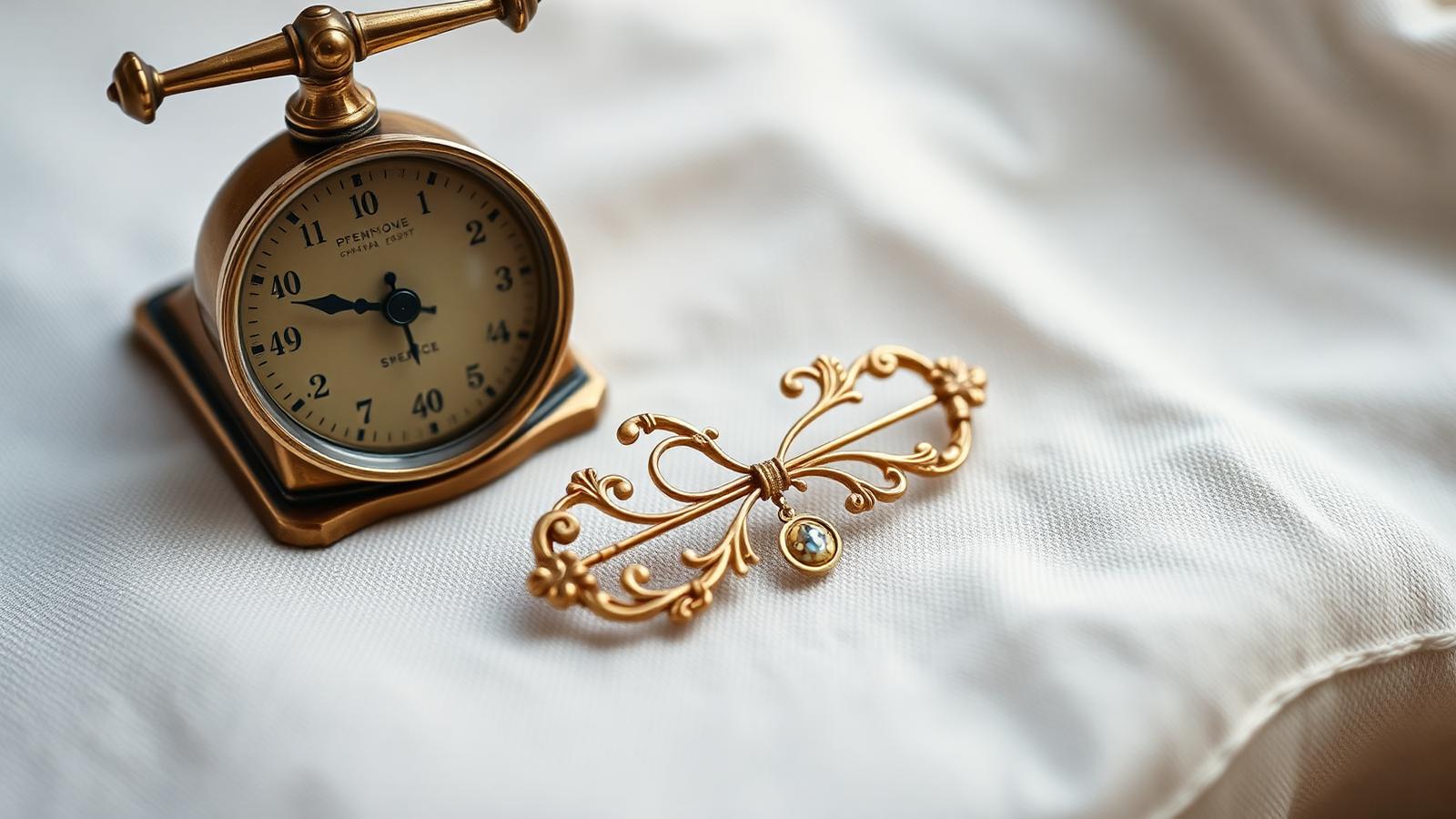
Factor 1 — Signature and attribution
A name on the back can sometimes be the difference between weight value and museum value. Dutch names like Bonebakker, Van Kempen & Begeer, and Steltman represent quality sought after by collectors; internationally, Cartier, Van Cleef, Boucheron, Lalique, and Fabergé do the same. Even 'smaller' signatures — Trifari, Miriam Haskell, and Weiss for costume jewellery, Georg Jensen for Scandinavian modernism — elevate a piece above its material value.
You can recognise these by the maker's marks (see hallmarks) and by the workshop-typical design vocabulary. Be critical: signatures are faked, and attributions without a stamp or documentation are not proof. For the collector's market: signed and original is the norm, an unsigned design of the same type is worth a fraction. More on this factor in signed pieces and the brand register; for iconic collection lines, there are separate guides such as Cartier Love, Alhambra, and Bulgari Serpenti.
A name on the back can sometimes be the difference between weight value and museum value.
Factor 2 — Period authenticity
A brooch from 1928 is not an 'art deco' brooch from 1975. What truly comes from the period is valued differently in the collector's market than what merely resembles it stylistically. Period authenticity involves a combination: the correct material (platinum and white gold in deco, yellow gold in mid-century), the correct cuts (old brilliants, not modern ones), the correct clasps (see clasps), and the correct hallmark profile for the year.
Whoever sells a period-authentic piece as a contemporary imitation leaves a large part of its value on the table. Whoever mistakes a modern imitation for period work pays too much. The differences are visible to those who know them — which is why a specialist's eye for these categories more than pays for itself.
Factor 3 — Stones and their cuts
Diamonds in old cuts (rose-cuts, old mine, old European; see the cut guide) have developed a separate market. They sparkle differently from modern brilliants and are increasingly difficult to replace. For intact antique work, they are usually worth more in their original setting than what a modern repurposing yields.
Natural gemstones — untreated sapphires, unheated emeralds, natural pearls — also have their own market above the pattern of modern certified stonework. The same applies to cameos, corals, garnets, and enamel work: quality and provenance weigh more than the metal value. The gemstone guide describes what collectors find important for each stone.
Factor 4 — Completeness and originality
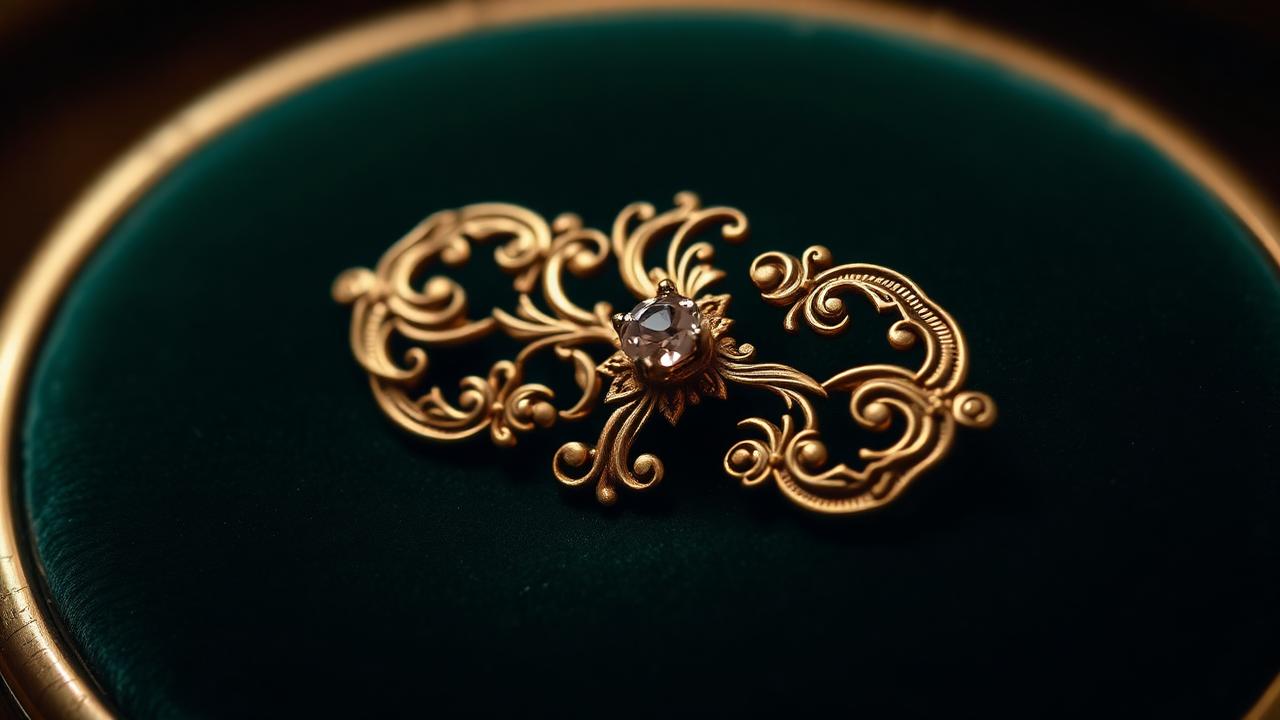
A set sold as a set is worth more together than the sum of its individual pieces. A demi-parure with a brooch and earrings, a necklace with a matching bracelet, a pair of cufflinks with complete backs: completeness makes the difference. The same applies to original settings. An old ring in which someone later had a modern diamond set is almost always worth less for the vintage market than the same piece with the original stone.
Documentation helps. Keep the original box, purchase receipts, or family photos where the jewel is visible. For blood coral necklaces, for example, the original regional clasp determines a large part of the added value (see blood corals). Without completeness, a jewel quickly reverts to its metal value plus what one is willing to pay for the loose stones.
Factor 5 — Rarity of the type
Rarity is the most difficult factor because it cannot be tied to one thing. A good example: regional jewellery with proven provenance from a specific Dutch region is rarer than generic Bohemian garnets from the same period. A Japonisme brooch from the 1880s is rarer than a generic gold Victorian brooch. Fabergé work, Lalique glass with documentable provenance, and original Cartier designs are rare by definition.
For rare work, the market is smaller but more concentrated. Sell through a specialist auction house or a specialised dealer; a generic buyer has no mechanism to cash in on that rarity and therefore offers metal value.
The honest downside
Not every old jewel has collector's value. Common twentieth-century wedding bands, generic chain necklaces without design, broken and non-restorable work, or pieces without stamps and without a recognisable pattern — their value lies mainly in the material. That is no shame, and it is wise to know that before you commission an expensive appraisal that yields little.
What this guide does not do is give instructions for melting down. That decision is irreversible and belongs with a specialist — if there is any reason for it at all. For the broader consideration between preserving, repurposing, and selling, see repurposing heirloom gold.
When in doubt: have it assessed first
The core of this entire guide is one rule: when in doubt, have it assessed first, because melting or foregoing is irreversible. A free value estimate based on photos costs you half an hour of effort and almost always provides the answer to the question: is this about metal value or something more? Whoever skips that step, in the worst case, sells a family heirloom for the weight of its gold while a collector is waiting who would have paid many times more for it.