De waardefactoren
Een taxateur weegt bij deze categorie een vast aantal criteria. Hieronder leggen we ze uit, in de volgorde waarin ze doorgaans worden bekeken.
Pair completeness
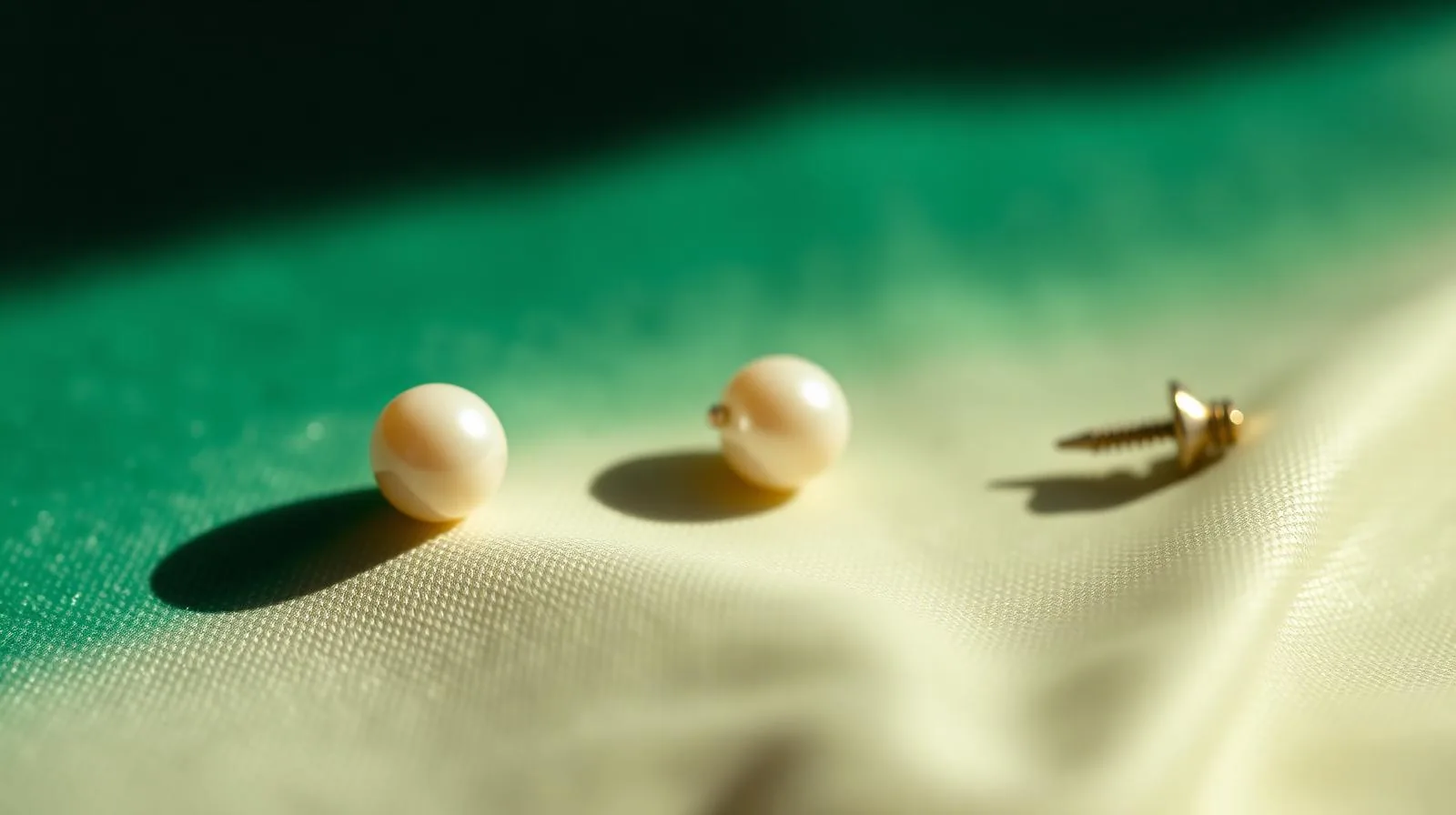
Earrings are almost always appraised as a pair. A single earring is a curiosity — at most a tenth to a quarter of the pair's value, unless it is an exceptionally rare or signed piece whose partner can be found on the market.
When appraising, check if the pair truly belongs together: identical weight, identical hallmark, identical stone setting, and mirrored composition. Two seemingly identical earrings that, upon closer inspection, differ slightly are often composed of two separate pairs — for the market, these are two half values, not a complete pair.
Clasp type and dating
Screw-back. Common before approximately 1900 until the 1930s. Round screw behind the ear, always manually tightened. Typical for Edwardian and early Art Deco work.
Clip-back. From the 1930s and dominant until the 1970s. Suitable for non-pierced ears; now popular again with collectors who do not have pierced ears.
Post and butterfly. Common from the 1950s, dominant after 1970. The most sought-after clasp for modern wearers; for vintage pieces, check if it is not a later conversion.
French hook. Continuously used since the nineteenth century. Elegant and timeless; not age-specific.
Conversion and original condition
A common problem with vintage earrings is the conversion from screw or clip clasps to modern posts. For wearability, this is understandable; for value, it is almost always detrimental. An appraiser immediately sees where the original clasp was — solder marks, colour difference in the metal — and lowers the appraisal accordingly. When in doubt: leave the original clasp intact and only consider conversion for pieces you will continue to wear yourself.
Material and weight
Weight is relatively unimportant for the intrinsic value of earrings — most vintage pairs together weigh between three and ten grams — but the choice of metal reveals the period. Platinum indicates Edwardian or Art Deco haute joaillerie; white gold indicates post-war work; rose gold strongly indicates the Retro period of the 1940s; yellow gold is period-neutral.