De waardefactoren
Een taxateur weegt bij deze categorie een vast aantal criteria. Hieronder leggen we ze uit, in de volgorde waarin ze doorgaans worden bekeken.
Real coral versus imitation
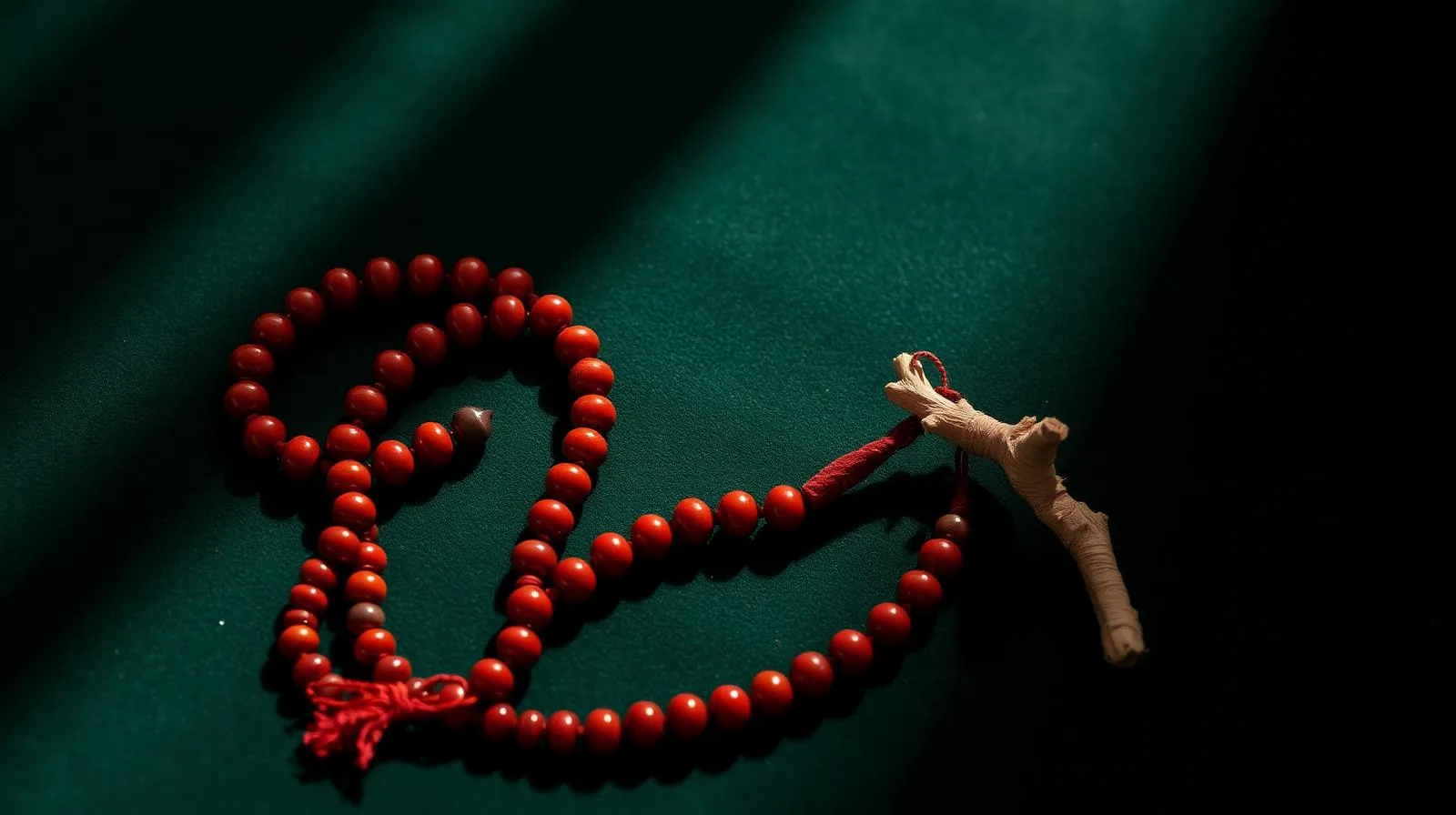
Real blood coral (Corallium rubrum) has a slightly irregular, matte lustre and subtle vein patterns. The colour varies from pale pink (angel skin, cerasuolo) to deep blood red (moro); even, polished beads with natural variations in tint are typical. Under a loupe, you can see small, characteristic groove lines.
Imitation coral comes in several forms: dyed bamboo coral (cheaper sea coral, bleached white and dyed red — the colour is often only on the outside), glass, plastic (Bakelite, modern polymers), and reconstructed coral powder in resin. Acetone on a hidden spot will not remove real coral colour, but it will remove dyed imitation; a warm needle will melt plastic but not stone. For certainty: have it assessed by a specialist.
Bead size and colour
Large, flawless beads (8 mm and larger) are rarer and therefore more valuable than small ones (3–5 mm). Round, polished beads are more highly valued than roughly drilled baroque shapes — although baroque, natural shapes are sought after for their authenticity in certain antique categories.
Colour is a separate factor. Blood red (moro) is the classic Dutch preference; angel skin (pale pink) is internationally sought after and can be valued above average for large beads. Mottled or discoloured corals are less desirable.
The gold clasp as a value driver
The clasp is often the most valuable part of many Dutch blood coral necklaces. Made of solid 14 or 18 carat gold, often substantial in weight (5 to 25 grams), with regional ornamentation. Frisian, Zeeland, Bunschoten, and Volendam clasps each have their own design language — a specialist can identify the region by the clasp alone.
During appraisal, the clasp is often weighed and valued separately. An original large regional clasp from the nineteenth century can be worth more than all the corals combined. Later replacement of the clasp (with a modern carabiner or a light reproduction) significantly reduces the overall value.
Complete versus restrung
A complete necklace, in its original condition with all original corals, the original clasp, and any original pendant or cross, is considerably more valuable than a necklace that has been restrung later, where corals have been replaced or the clasp renewed. For ceremonial or museum-interested audiences, originality is decisive.
However, restringing a fragile old necklace is sometimes necessary — a broken cord that threatens to scatter the whole is not preservation. Have this done by a specialised workshop (see the <a href="/adressen">address guide</a>) with original materials (silk cord, not synthetic), and keep all original components (including any removed spacer beads) separately in a bag with the piece.