VintageSieraden.nlKnowledge · provenance · value
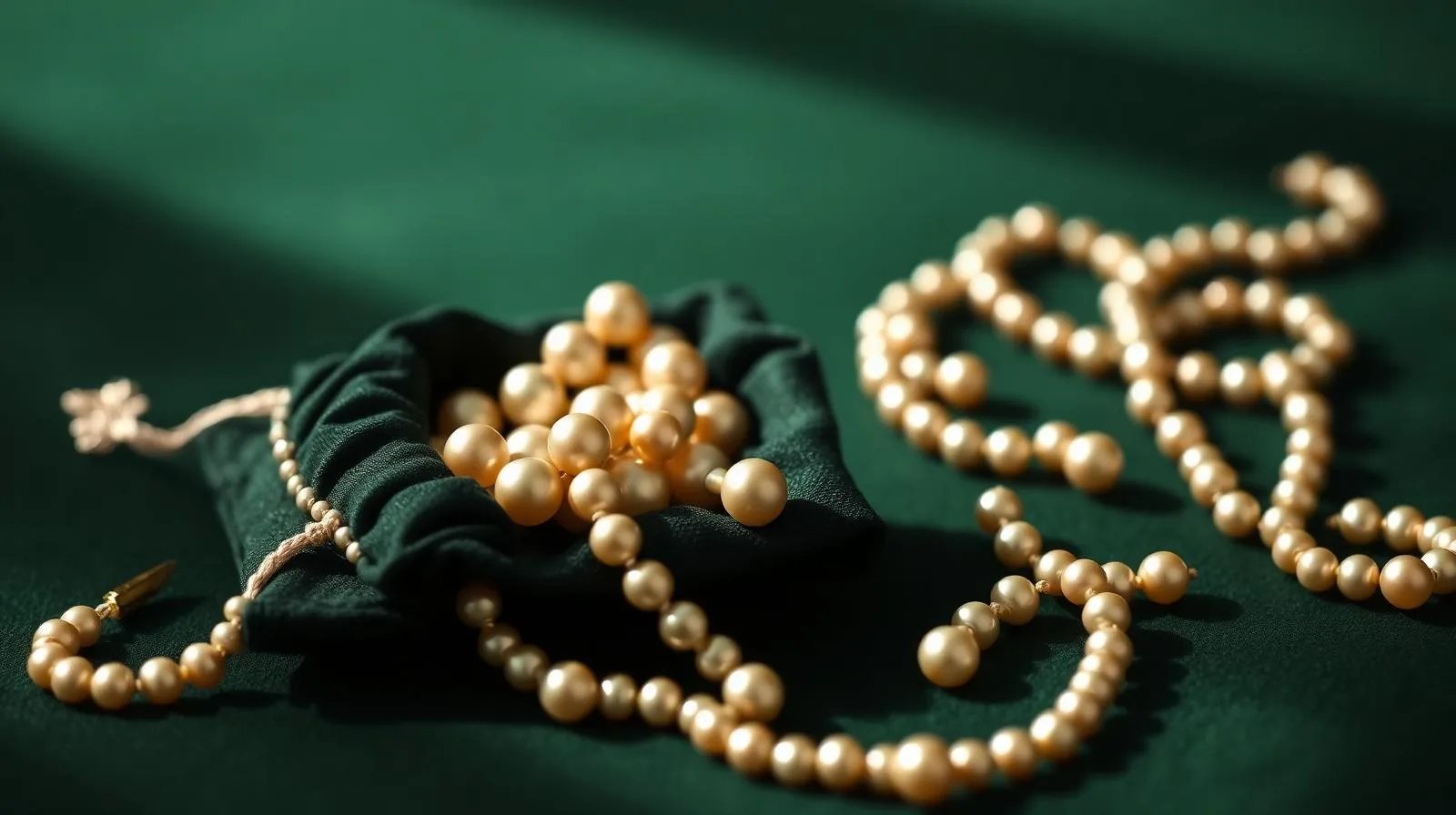
Crème en zacht rosé parels stromend uit een donker zijden zakje op flessengroen fluweel; sfeerbeeld, geen determinatievoorbeeld.
Price Guide · Pearls

What is the value of vintage pearls?

The question 'what are these pearls worth?' begins with another question: 'what kind of pearls are they?' Natural pearls, cultured pearls (Akoya, South Sea, Tahitian) and imitation pearls (glass, plastic, coated) can differ in value by a factor of a hundred. Vintage necklaces from before 1920 are almost always natural — after that, cultured pearls became the norm. In this guide, we explain how to distinguish between them, what appraisers look for, and the price ranges you can expect to find in the market.

Voor het bredere kader — wat een taxateur meeweegt en waarom bandbreedtes zo uiteenlopen — zie de waardegids.

Door de redactie · Vakinhoudelijk getoetst · Bijgewerkt juli 2026

De waardefactoren

Een taxateur weegt bij deze categorie een vast aantal criteria. Hieronder leggen we ze uit, in de volgorde waarin ze doorgaans worden bekeken.

Natural versus cultured

Natural pearls form without human intervention and have been rare since the 1920s. They are always traded with certification from a reputable lab (SSEF, GIA) based on X-ray examination. Cultured pearls — common from the 1920s onwards — make up the vast majority of what you find in vintage necklaces.

Akoya, South Sea, Tahitian or imitation

<strong>Akoya.</strong> Classic Japanese cultured pearls, usually 6–9 mm, white to light cream, high lustre. Standard for mid-century necklaces.

<strong>South Sea & Tahitian.</strong> Larger (10–15+ mm), mostly 1980s and later. South Sea white to gold, Tahitian dark with green or purple overtone.

<strong>Imitation.</strong> From simple glass with mother-of-pearl coating to the very refined Majorca and Miriam Haskell pearls.

Before or after 1920

A necklace demonstrably from before 1920 (via family documentation, photos, or old appraisal reports) has a strong presumption of natural origin. For necklaces from the 1930s and later, Akoya is the default; only lab examination provides certainty.

Necklace length and sorting

<strong>Choker (35–41 cm), princess (45 cm), matinee (55–60 cm), opera (75–90 cm), sautoir (>115 cm).</strong> For a necklace, sorting also matters: well-sorted necklaces where no single pearl stands out in colour or shape are rare. Homogeneous long necklaces perform better commercially than graduated necklaces.

Clasp as a value driver

The clasp itself can add hundreds of euros: an 18kt gold barrel clasp with a natural pearl, a sapphire cabochon in art deco style, or a signed clasp from a major house. Always keep the original clasp, even if you have the necklace restrung.

Indicatieve bandbreedtes

Prijsranges als richtlijn

  • Imitation or glass pearls vintage

    Collected for design or designer (Chanel, Haskell).

    € 40 – € 220
  • Short Akoya necklace, 1950s–1970s

    Colour, lustre and uniformity determine the range.

    € 250 – € 900
  • Long Akoya necklace, homogeneous, 1960s

    Wearable weight and original clasp are important.

    € 700 – € 2.500
  • Natural pearl necklace, with certificate

    Certification by a reputable lab is decisive.

    € 3.000 – € 40.000+

Indicatief; werkelijke waarde vereist beoordeling van het stuk zelf. Marktprijzen fluctueren en zeldzame varianten liggen boven de bovengrens.

Wat een sieraad boven zijn metaalwaarde tilt — signatuur, periode, stenen, compleetheid en zeldzaamheid — lees je in wanneer een sieraad meer waard is dan zijn goudgewicht.

Two quick tests at home

<strong>Tooth test.</strong> Gently rub a pearl along your incisor. Real or cultured pearls feel slightly rough, gritty. Imitation pearls feel completely smooth.

<strong>Loupe test.</strong> Look at a pearl drilling. With real pearls, you will see fine, natural growth layers. With imitation pearls, you will see an even coating, sometimes peeling.

Both tests are indicative. For natural versus cultured pearls, a lab examination (X-ray) is needed — which is worthwhile for high-quality necklaces.

Care and storage

Pearls dry out in safes; occasional wear does them good. Store loosely, in a soft cloth — not in an airtight box and not next to other jewellery that could scratch them. Have an intensively worn necklace restrung every five to ten years; loose or stretched silk is a risk of breakage.

Veelgestelde vragen

Antwoorden op vier vragen

Are my grandmother's pearls likely natural?+

If the necklace is from before 1920, it's a real possibility. From the 1920s onwards, Akoya cultivation became dominant. Only a lab can definitively confirm it.

Should I have pearls restrung?+

Ideally every five to ten years with regular wear. Loose or stretched silk is a risk of breakage. Always keep the original clasp.

How do I store pearls?+

Loosely, in a soft cloth — not in an airtight box and not next to other jewellery that could scratch them. Pearls dry out in safes; occasional wear does them good.

Are Miriam Haskell or Chanel pearls worth anything?+

Yes. Signed vintage costume pearls are a separate market and can fetch hundreds to several thousands of euros for special necklaces.

Curious what you have in your hands?

Prijsranges zijn een startpunt; wat je precies in handen hebt bepaalt de bandbreedte. Stuur foto's en een korte beschrijving, dan bekijkt een specialist wat het is en adviseert binnen twee werkdagen over een logische vervolgroute.

Request free advice

Independent advice about what you have and your options — not a purchase offer, not a formal appraisal.

Verder lezen