VintageSieraden.nlKnowledge · provenance · value
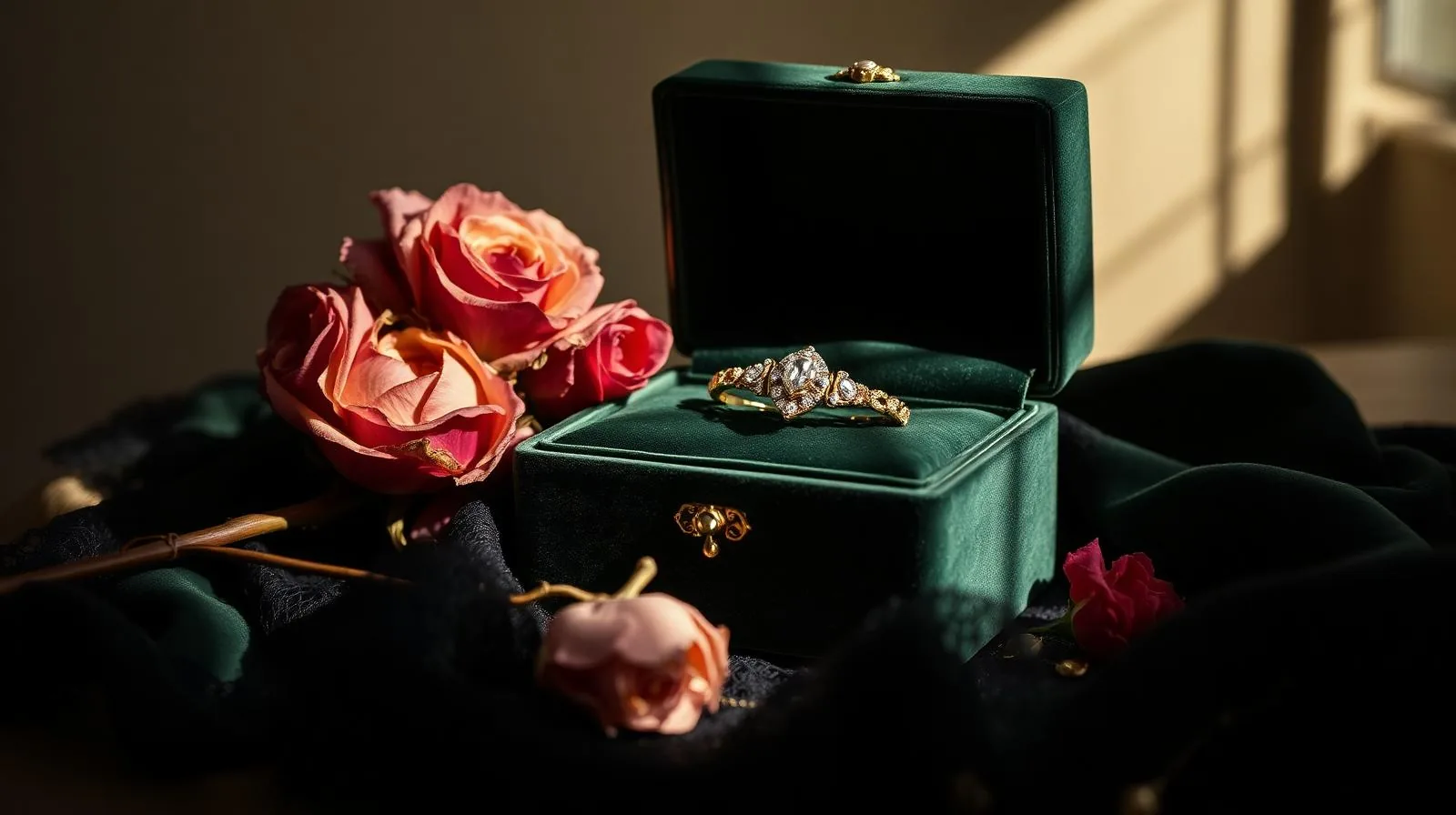
Gedroogde rozen, zwart kant en een geopend antiek fluwelen juwelenetui bij gaslicht; sfeerbeeld, geen determinatievoorbeeld.
Price Guide · Victorian

What is Victorian jewellery worth?

The Victorian era (1837–1901) spans sixty years of jewellery history, and this breadth is the first factor determining its value. Early Victorian pieces differ fundamentally from late Victorian, both in material and symbolism. When having a Victorian piece appraised, one first wants to know its sub-period, the fineness of gold used, and whether it is complete and unaltered. In this guide, we will take you through the five value factors that an appraiser first considers.

Hoe waarde bij vintage sieraden in het algemeen werkt, lees je in de overkoepelende waardegids.

Door de redactie · Vakinhoudelijk getoetst · Bijgewerkt juli 2026

De waardefactoren

Een taxateur weegt bij deze categorie een vast aantal criteria. Hieronder leggen we ze uit, in de volgorde waarin ze doorgaans worden bekeken.

Sub-period: early, mid, or late

Early Victorian (1837–1860). Romantic, much yellow gold, cartouches, snake motifs, and symbolic flowers. Material is often 15 or 18 carat.

Mid-Victorian or Grand (1860–1885). Mourning period after the death of Prince Albert. Jet, onyx, hairwork, and black glass dominate.

Late Victorian or Aesthetic (1885–1901). Lighter, airier, with pearls, stars, and crescent moons. Often 9 carat as a cheaper alloy, which depresses the value.

15 carat and the importance of fineness

The British market knows 9, 12, 15, 18, and 22 carat. The 15-carat standard disappeared in 1932 — a piece marked '15' or '.625' is therefore by definition from before that year and immediately datable. Dutch and French pieces from the same period are often 14 or 18 carat.

For an appraisal, the fineness is crucial. 9 carat barely contributes to the intrinsic value; 18 carat strongly supports the base value.

Mourning jewellery and sentimental pieces

Mourning jewellery — jet, onyx, black enamel, and hairwork (incorporating hair of a deceased person) — is a collector's market in itself. Fully intact compositions with hallmarked pieces at the top command serious prices. Sentimental pieces (lockets with photos, 'mizpah' brooches, in memoriam engravings) also have a growing market.

Natural pearls and old-cut diamonds

Early Victorian pieces with natural pearls or old brilliant-cut diamonds have become rare — much has been melted down or modernised in the twentieth century. A cluster with all original pearls and old cuts intact can fetch three to five times more than a modernised variant of the same design.

Condition and completeness

Clasps (C-clasp for early, trombone for late), pins, chain clasps, and the patina on the back are part of the dossier. Any modern repair — a new pin, a replaced jump ring, a restored enamel field — must be reported. When in doubt: have the piece appraised in its found condition.

Indicatieve bandbreedtes

Prijsranges als richtlijn

  • Silver Victorian brooch

    Repoussé or filigree work from the late 19th century.

    € 80 – € 450
  • Mourning jewellery with hairwork or jet

    Rare hair compositions and fully hallmarked pieces at the top end.

    € 200 – € 1.200
  • Gold Victorian ring with semi-precious stone

    Garnet, opal, turquoise, and amethyst are typical. 15kt and 18kt above 9kt.

    € 350 – € 2.500
  • Richly set piece with natural pearls or old-cut diamonds

    Provenance and completeness determine the upper limit.

    € 1.500 – € 15.000+

Indicatief; werkelijke waarde vereist beoordeling van het stuk zelf. Marktprijzen fluctueren en zeldzame varianten liggen boven de bovengrens.

Wat een sieraad boven zijn metaalwaarde tilt — signatuur, periode, stenen, compleetheid en zeldzaamheid — lees je in wanneer een sieraad meer waard is dan zijn goudgewicht.

Special techniques and rare materials

Cannetille (fine gold filigree where thin gold wire is built up into spirals and rosettes) and pinchbeck (a gold-coloured brass alloy used before the 15kt requirements) are now sought after as authentic period material and have their own collectors. Early pinchbeck (before 1850) is collectible and regularly trades for two to four hundred euros for fine pieces.

Dating without clear marks

Not every Victorian piece is marked. Dating is then done based on the clasp, catch, back finish, patina, stone setting, and type of screw thread. A specialist can recognise, for example, C-clasp brooches (early) versus trombone clasps (late), or the difference between a handmade pin-and-catch and a machine-produced one. The colour of the gold also helps: 15kt is warmer yellow than 9kt.

Veelgestelde vragen

Antwoorden op vier vragen

Is a 9-carat Victorian jewel also valuable?+

Yes, but mainly based on design, condition, and rarity — not on intrinsic gold value. Distinctive models and fine hand engraving remain sought after.

Are mourning jewels still in demand?+

Certainly. There is a strong collector's market for jet, onyx compositions, and hairwork. The emotional charge is now more attractive than off-putting.

Can pinchbeck be worth appraising?+

Yes. Early pinchbeck (before 1850) is collectible and regularly trades for two to four hundred euros for fine pieces.

How do I date an unmarked Victorian piece?+

Based on the clasp, catch, back finish, patina, and stone setting. A specialist can recognise, for example, C-clasp brooches (early) versus trombone clasps (late).

Curious what you have in your hands?

Prijsranges zijn een startpunt; wat je precies in handen hebt bepaalt de bandbreedte. Stuur foto's en een korte beschrijving, dan bekijkt een specialist wat het is en adviseert binnen twee werkdagen over een logische vervolgroute.

Request free advice

Independent advice about what you have and your options — not a purchase offer, not a formal appraisal.

Verder lezen