VintageSieraden.nlKnowledge · provenance · value
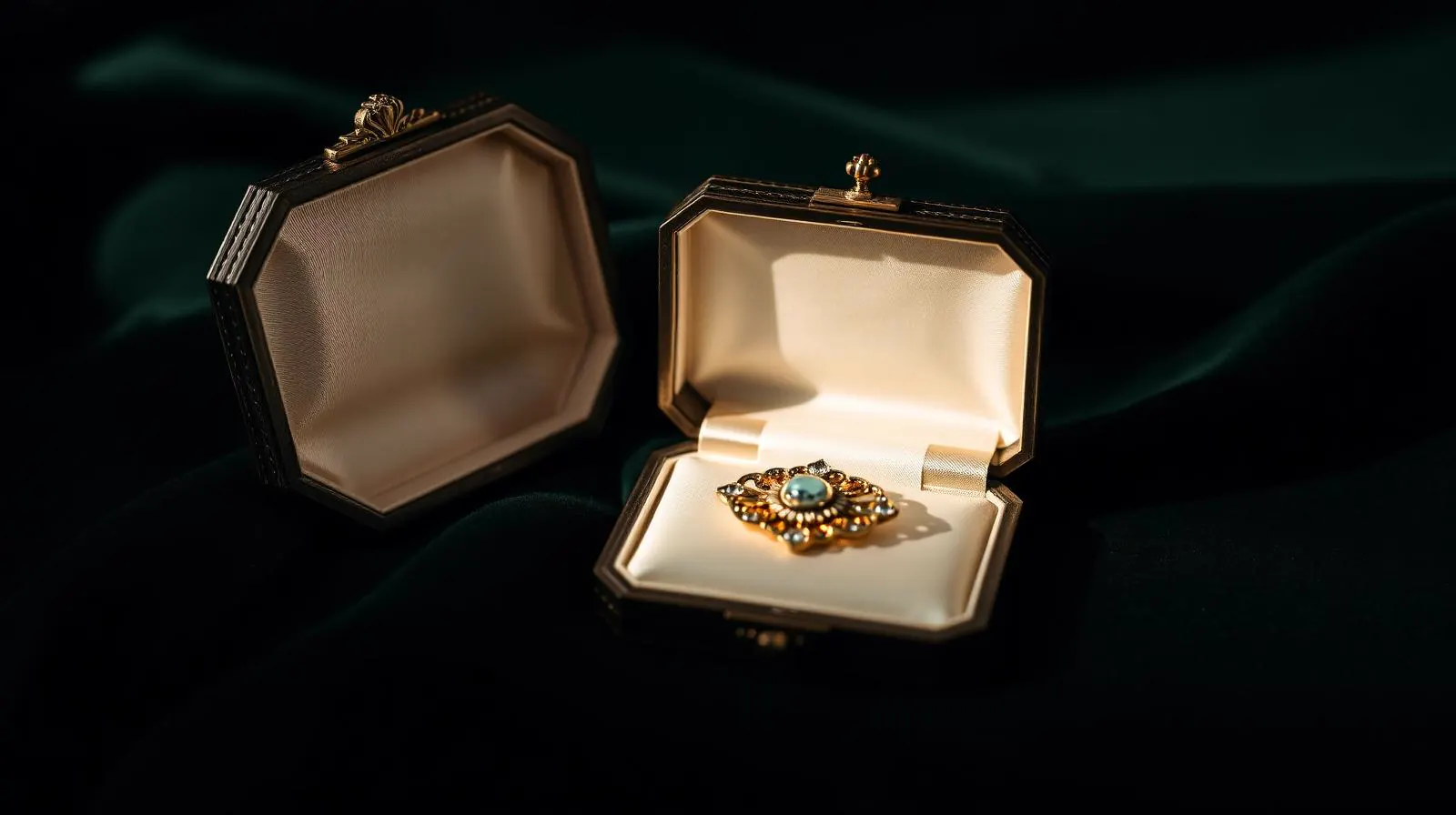
Fijn Amsterdams juwelierswerk in een geopend etui op flessengroen fluweel; sfeerbeeld, geen determinatievoorbeeld.
Dutch makers
Amsterdam · Kalverstraat
Bonebakker

Bonebakker: Amsterdams juweliershuis

Door de redactie · Vakinhoudelijk getoetst · Bijgewerkt juli 2026

At the end of the eighteenth century, in 1792, a jewellery shop window opened in Amsterdam's Kalverstraat that would remain an address for two centuries. Behind the displays, rings and brooches slid across velvet, while in the workshop above, royal commissions were crafted: crowns, insignia, commemorative pieces. In the nineteenth century, anyone in the Netherlands commissioning a special jewel would, sooner or later, find themselves at this address, and traces of their work remain in Dutch family safes to this day.

Bonebakker is an Amsterdam jewellery house with an exceptionally long history and a central role in Dutch royal jewellery. This editorial guide generally describes what this house created, how to recognise its work, and how to regard pieces attributed to the house. We use the name exclusively as text and refer to the relevant collections for pieces in public ownership.

At the end of the eighteenth century, in 1792, a jewellery shop window opened in Amsterdam's Kalverstraat that would remain an address for two centuries.
Bonebakker

Life and workshop

The house was founded in 1792 in Amsterdam and grew in the nineteenth century to become one of the country's foremost jewellers, with a shop in the Kalverstraat and a workshop where both their own designs and commissions from third parties were executed. For a long time, the house held the predicate 'Court Supplier' and worked on commissions for the Dutch court — crown jewels, insignia, commemorative pieces for state events.

Alongside this court work, the house was a regular (albeit exclusive) jewellery business: engagement rings, brooches, necklaces, and watches for the Amsterdam bourgeoisie. This dual role—royal jewellery and civilian jewellery—means that the work reappears in two very different markets: on the one hand in museum collections and state displays, and on the other in Dutch inheritances.

In recent decades, the firm has changed ownership and composition; the historical productions from before these changes are what the vintage market trades under the name.
Recognising the style

The work of this house in the nineteenth century was usually executed in the dominant style of its time: late Empire, Biedermeier, Neo-Rococo, and later art nouveau and art deco. It is therefore not one 'house style' but consistent execution quality within changing fashions. What remains constant across the periods is the quality of the setting work, attention to gemstone selection, and meticulous finishing on the back of brooches and pendants.

Materials: high-quality gold (18kt is the norm for the better series), platinum in the art deco period, and classic gemstones — diamond with old cuts (rose-cuts, old mine, old European; see our cut guide), ruby, sapphire, emerald, natural pearls. For commemorative pieces, semi-precious stones and enamel also occur.

The work of this house in the nineteenth century was usually executed in the dominant style of its time: late Empire, Biedermeier, Neo-Rococo, and later art nouveau and art deco.
Bonebakker — stijl
Fine jewellery work in a case on bottle-green velvet — mood image, not a determination example.
Sfeerbeeld — atelier-impressie

Famous pieces

Some of the work from this house can be found in public collections. The descriptions below are categories, not catalogue descriptions.

  • Insignia and royal jewellery

    Crowns, tiaras, necklaces, and decorations for royal and courtly occasions. Characteristic is a combination of striking diamond work with platinum or gold mounting and setting designed to sparkle under light.

    Work from this category is included in the Rijksmuseum and in museum royal collections.

  • Brooch and necklace for civilian anniversaries

    Flower-shaped brooches with rose-cut diamonds, necklaces with a central pendant — the type of jewel given for a twenty-fifth or fiftieth wedding anniversary, returning generations later as an heirloom.

  • Engagement and wedding rings

    Solitaires and three-stone rings in classic settings. For the vintage market, these are often pieces where the old diamond is an independent value factor (see what an old diamond is worth).

  • Commemorative piece with inscription

    Pendants, brooches, and medallions with an engraved date, initials, or coat of arms — preserved due to family history. For this category, individual provenance is often more important than market value.

Naslag — toeschrijving

Signature and attribution

Work from this house generally bears a firm signature and the usual Dutch hallmarks for fineness. For older pieces, the signature is sometimes only linked to a swing tag or an original box — and it is precisely that box or card that forms the main basis for attribution, along with tactile comparison with documented examples.

Attribution without signature or documentation is risky: many Dutch jewellers from the same period made comparable pieces. If a seller writes 'attributed to' without stating the reason, you can interpret that as 'fits the genre, origin uncertain'.

Collecting and value

For documented work from this house — with signature, box, or purchase receipt — there is a clear premium in the vintage market above unsigned work of the same quality. For undocumented work, the piece is assessed on its intrinsic qualities, and the potential attribution serves as a 'soft' factor.

For larger pieces with royal history (with documentation), the auction market is more international than Amsterdam-based. For smaller heirloom pieces, Amsterdam remains a logical sales channel.

→ Signed pieces: the value guide
Veelgestelde vragen

Wat lezers vaak vragen

Can I tell from an old box whether it really comes from this house?

An original box with a firm stamp is a strong indication, but not proof — boxes are reused and swapped. A box plus signature on the piece plus stylistic consistency: that is a useful basis for attribution.

How old is 'old' for this house?

The house has existed since the eighteenth century, so 'antique' practically starts with nineteenth-century work. For the vintage market, it usually concerns pieces from the period 1850–1960.

Where can I see work from this house in public?

In Dutch museum collections with a jewellery or royal department, such as the Rijksmuseum and Museum Paleis Het Loo. For current exhibitions, please visit the museum's own website.

Is an engagement ring from this house worth more than a comparable unsigned ring?

As a rule, yes — but the premium is modest and highly depends on documentation, condition, and the quality of the diamond itself. Without documentation, the effect is small.

Verder lezen

Curious what you have in your hands?

Twijfel je of een stuk uit dit atelier komt — of gewoon wat je precies in handen hebt? Stuur foto's; een specialist bekijkt het en adviseert binnen twee werkdagen over een logische vervolgroute.

Request free advice

Independent advice about what you have and your options — not a purchase offer, not a formal appraisal.

Andere makersgidsen
Voorschoten · Zeist · Zoetermeer
Van Kempen & Begeer
Amsterdamse School · Nieuwe Kunst
Frans Zwollo
Parijs · 1890–1930
René Lalique
Sint-Petersburg · voor 1917
Fabergé
Londen · Cymric · 1900–1910
Liberty & Archibald Knox
Den Haag · Hofleverancier
Steltman
Utrecht · 1856–1961
Edelsmederij Brom
Parijs · art nouveau
Georges Fouquet
Pforzheim ↔ Londen · 1896–1916
Murrle Bennett & Co.
Wenen · 1903–1932
Wiener Werkstätte
Kopenhagen · skønvirke
Deens zilver (skønvirke)
Vintagesieraden.nl is niet verbonden aan de genoemde makers, ateliers of hun rechtsopvolgers.