Skønvirke and the Danish silver tradition
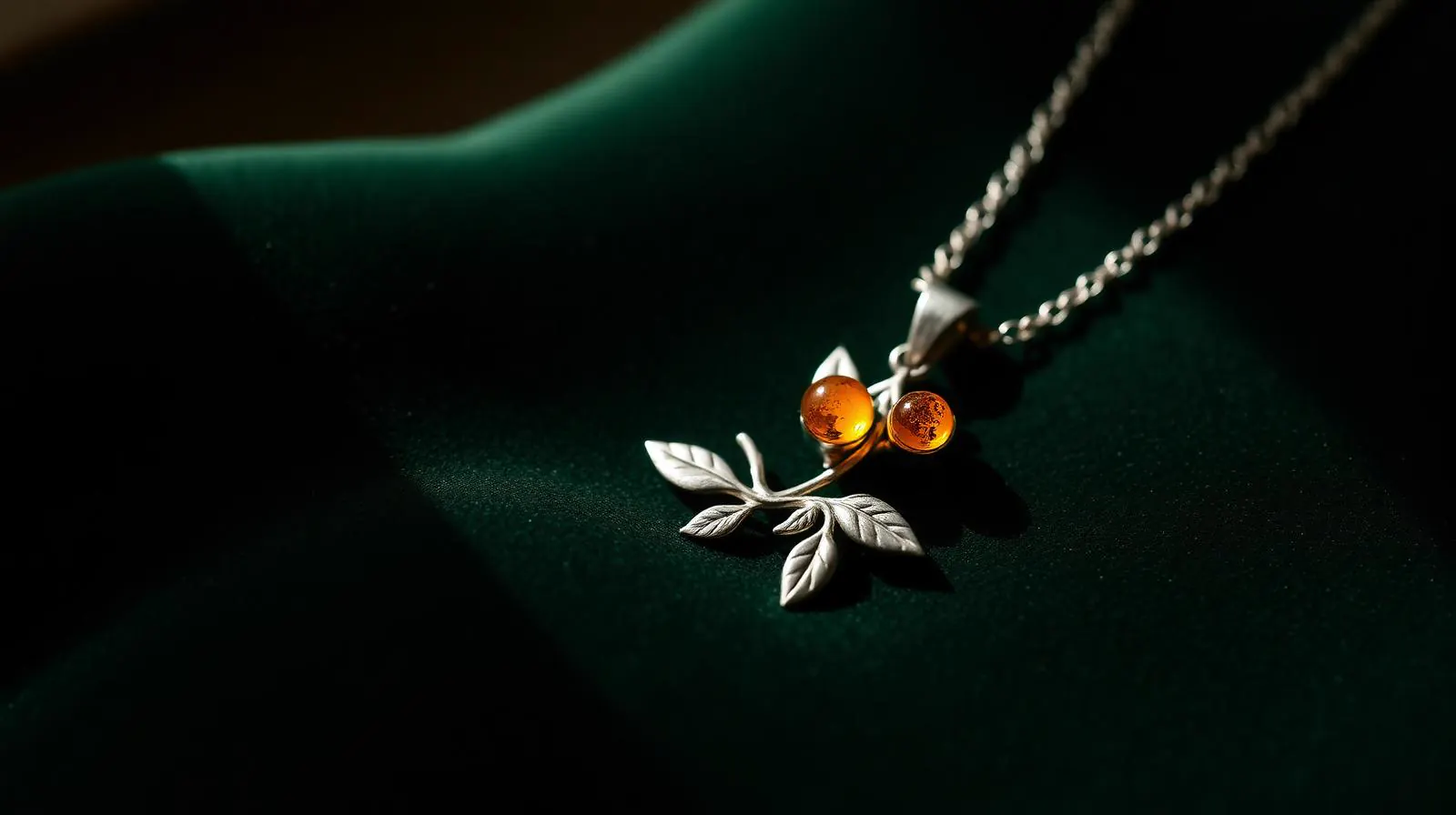
Skønvirke is a Danish applied arts movement that took shape around 1907 (with the magazine title of the same name) and dominated Danish silver jewellery art between approximately 1900 and 1930. The movement is related to British Arts and Crafts and continental Art Nouveau, but has its own emphasis: artisanal execution, natural motifs (grapes, ivy, acorns, flower buds), and an explicit preference for silver over gold. The idiom is calmer than Viennese geometry and warmer than the British Cymric line.
In addition to the well-known major Copenhagen name (covered in its own brand guide), several independent workshops operated during the same period. Evald Nielsen (1879–1958) ran his own workshop in Copenhagen from 1905 and developed an explicitly organic signature with often heavier silver compositions and cabochon-cut semi-precious gemstones. Bernhard Hertz (founder of the family business that continues today under the BH brand) produced a wide range of Danish silver from the late nineteenth century, from skønvirke to later, cleaner lines. In addition, firms such as Georg Kramper, Peter Hertz and Christian Fr. Heise operated, which are less known in Dutch trade but appear regularly in appraisals.
The Dutch visibility of this work is explained by two converging factors: Danish silver production was geared towards export, and the Danish aesthetic (calm, artisanal, recognisable) was well-suited to Dutch taste during the interwar period and post-war decades. Therefore, anyone buying vintage silver in the Netherlands quickly encounters Danish work, and the longtail "danish silver jewellery" and "skonvirke" (even without the ø, as it is often typed in the Netherlands) is a targeted search query.